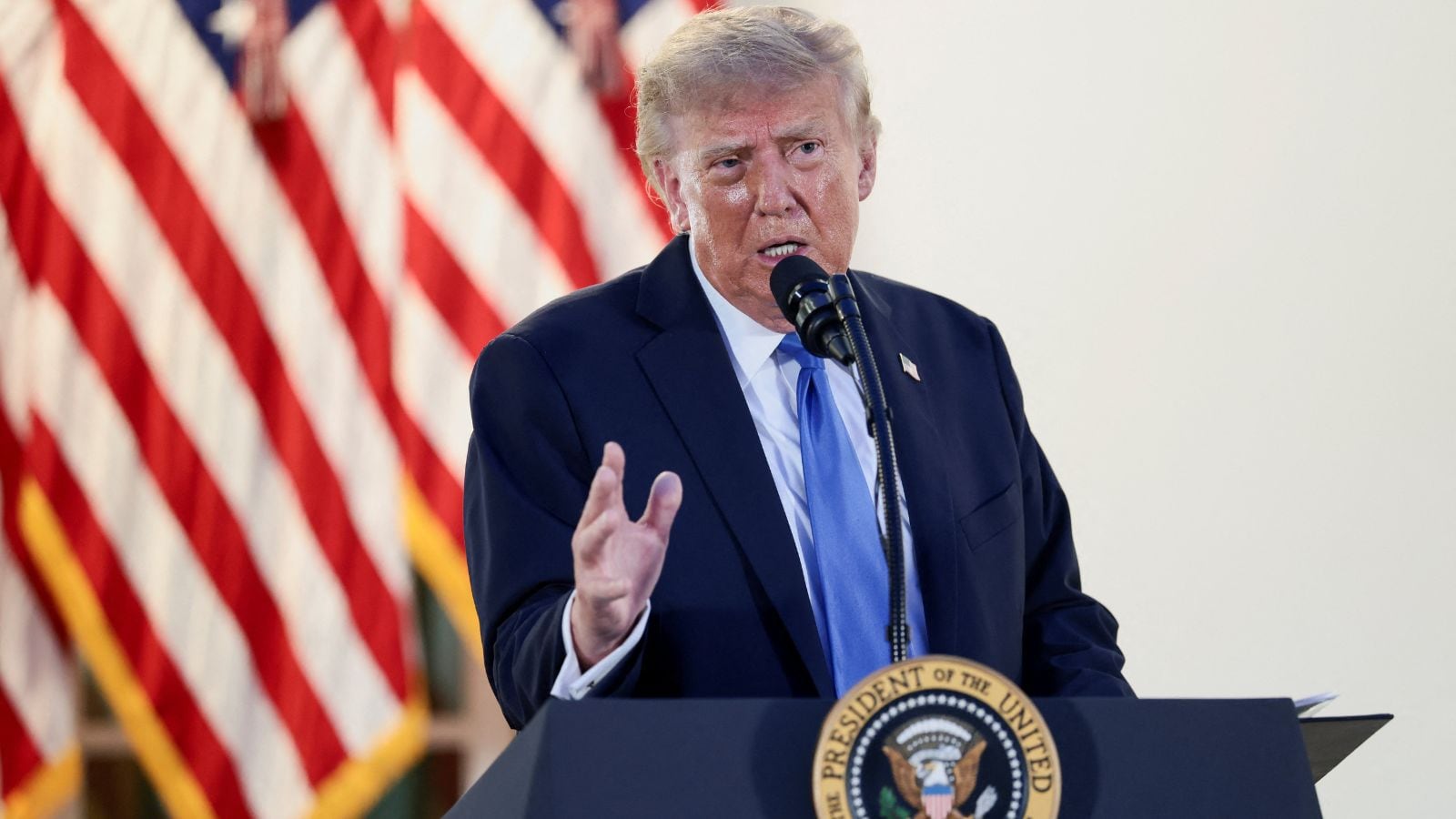
US President Donald Trump recently announced that Washington will seek retroactive financial reimbursement from European allies for military aid and munitions supplied to Ukraine during the Biden administration. This abrupt demand for hundreds of billions of dollars exposes deep structural fractures in Western security architecture. Beneath the surface rhetoric lies an unprecedented fiscal and diplomatic collision that threatens to unravel decades of NATO burden-sharing agreements.
The Mechanics of a Broken Ledger
For years, transatlantic military support operated on an unspoken premise. The United States provided the industrial weight and high-end tech inventory, while European capitals financed broader economic stabilization and humanitarian assistance. When military drawdowns occurred under presidential drawdown authorities, they were treated as grants authorized by Congress to counter Russian aggression.
Now, Washington is attempting to rewrite the ledger after the fact.
The primary driver behind this sudden accounting shift is domestic resource scarcity. Munition inventories have faced severe strain, accelerated by concurrent Middle Eastern engagements and the heavy expenditure of long-range precision guided systems. By framing past donations as unpaid debts, the White House is trying to justify domestic stockpile preservation while shifting the financial accountability onto foreign capitals that never agreed to these specific procurement terms in advance.
Financial Realities and Legal Impossibilities
Demanding back payment for spent munitions is a diplomatic fiction. Sovereign nations do not retroactively sign multi-billion-dollar promissory notes for goods already consumed on a battlefield, especially when those transfers were authorized unilaterally by a prior American administration as direct foreign assistance.
European finance ministries operate under strict parliamentary budgetary laws. No chancellor or prime minister can simply wire billions of dollars to the United States Treasury to cover historical line items without legislative approval. Any attempt to pass such a retroactive bill through European parliaments would face immediate political suicide, given that domestic voters across the continent are already grappling with inflation, energy transitions, and their own defense spending hikes.
Furthermore, current mechanisms like the PURL initiative already require European partners to purchase American weapons for Ukraine through active, upfront contracting. Conflating these future procurement frameworks with past presidential drawdowns creates a chaotic policy environment that paralyzes defense planning on both sides of the Atlantic.
The Strategic Fallout for NATO
The timing of this retroactive invoice could not be more precarious. Moscow watches closely as the Western coalition bickers over fiscal bookkeeping. When allies spend their political capital arguing over who owes what for historical shipments, strategic focus shifts away from production output and front-line delivery schedules.
The broader casualty here is predictability. Military alliances depend on shared doctrines and reliable commitments. If a change in the White House means past aid packages can suddenly be recharacterized as loans subject to sudden collection calls, European planners will find it impossible to trust long-term American security guarantees.
Trust, once depleted, is far harder to restock than artillery shells. Washington may secure a temporary domestic political victory by projecting toughness to taxpayers, but the long-term price will be paid in the currency of alliance cohesion. When the next crisis hits, European capitals will remember that every donation came with a hidden expiration date and a delayed invoice.