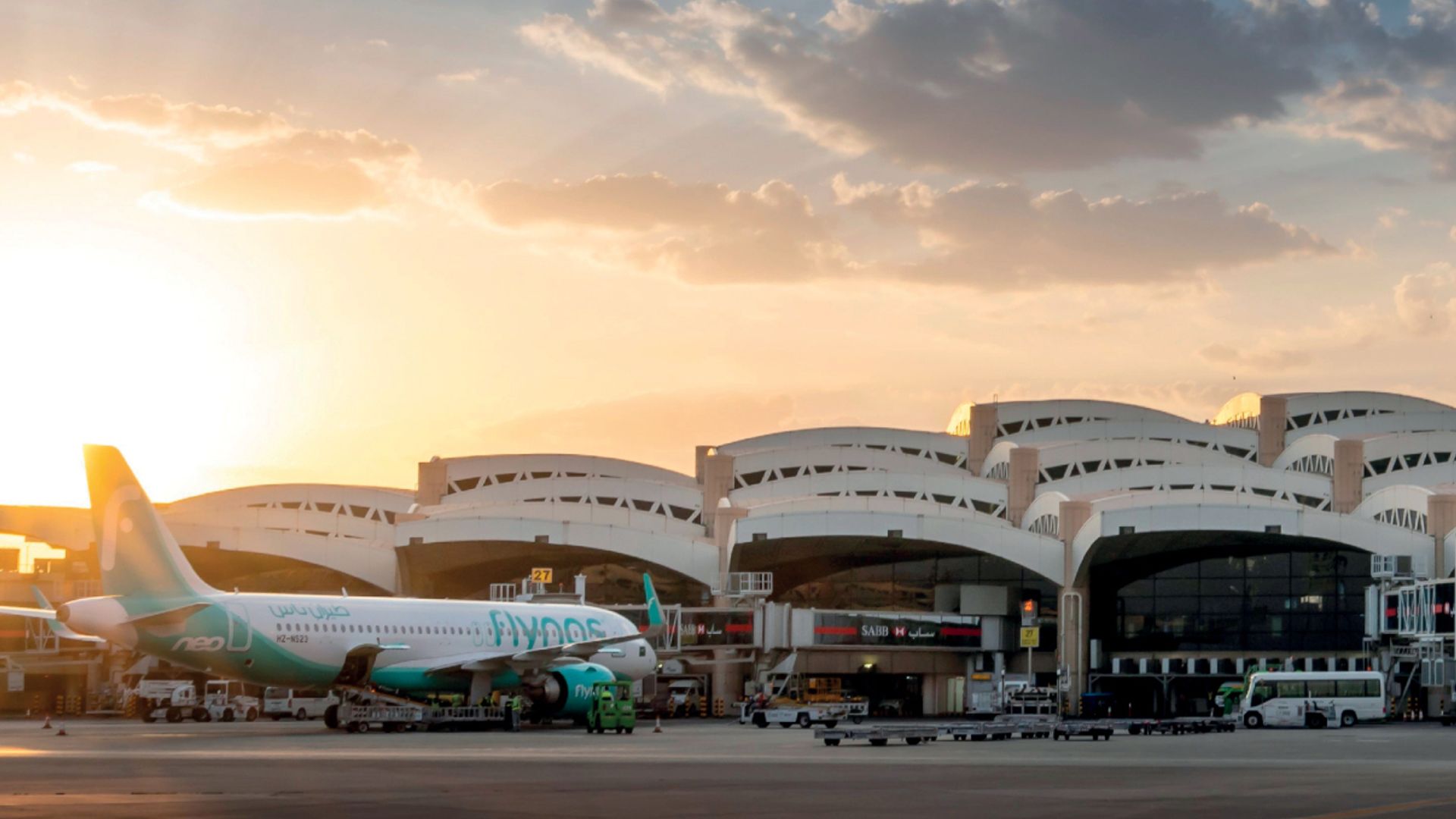
UK nationals have been formally instructed by diplomatic authorities to avoid specific aviation hubs in Saudi Arabia following missile impacts that left multiple individuals wounded and infrastructure damaged. For decades, Western expatriates and corporate travelers viewed the Gulf region as a sterile corridor of high-speed transit and luxury commerce, insulated by modern air defense networks and vast security budgets. That illusion fractured the moment ballistic debris and shrapnel breached perimeter defenses, transforming routine transit nodes into active zones of regional conflict.
This advisory is not merely an administrative abundance of caution. It represents a fundamental recalibration of risk assessment for anyone moving through the Arabian Peninsula. When commercial aviation terminals become collateral damage in asymmetric cross-border skirmishes, the calculus of international mobility shifts permanently.
The Mechanics of Regional Escalation
To understand why a major aviation facility in the Kingdom suddenly found itself in the crosshairs, one must look beyond the immediate headlines and examine the geometry of modern proxy warfare. The primary threat vector facing Saudi critical infrastructure stems from sophisticated cruise missiles and delta-wing uncrewed aerial vehicles launched from neighboring territories. These munitions fly low, hugging terrain contours to evade traditional radar horizons, making interception an exercise in split-second electronic warfare and kinetic interception.
When an interception fails or yields falling debris, the kinetic energy does not vanish. It disperses over a wide area, often raining metal shards and unspent propellant onto civilian zones, highways, and airport tarmac. Commercial airports occupy massive geographic footprints, rendering them virtually impossible to armor completely against aerial hazards without grinding passenger operations to a permanent halt.
Governments in London issuing these urgent stay-away directives are reacting to hard intelligence indicating that these interception failure rates or targeting patterns have crossed an unacceptable safety threshold. Insurers are watching closely. Commercial underwriting for aviation hull and liability coverage in the region is undergoing rapid revision, signaling that the financial markets view these incidents not as isolated anomalies, but as a recurring operational hazard.
Corporate Exposure and the Duty of Care
Multinational corporations, engineering firms, and energy conglomerates have long relied on Saudi aviation networks to shuttle personnel between project sites in Riyadh, Jeddah, and the Eastern Province. The sudden advisory leaves human resources and security directors scrambling to rewrite evacuation protocols that were drafted decades ago under vastly different threat assumptions.
For years, corporate travel policies treated the Gulf as a low-threat environment. Business class tickets were booked, hotel transfers were arranged, and travelers walked through terminal doors with little more situational awareness than they would have landing in Frankfurt or Heathrow. That era is over. Organizations must now account for sudden airspace closures, grounded fleets, and the agonizing logistics of extracting stranded employees when commercial runways become active danger zones.
Duty of care is no longer satisfied by purchasing a standard medical evacuation policy. Companies are being forced to contract private security details capable of overland extraction or securing charter slots at military-adjacent airstrips. The financial cost of this recalibration is steep, but the alternative—leaving personnel exposed in a theater where ballistic threats can materialize with minutes of warning—is unthinkable.
The Psychological Aftermath for Expatriate Communities
Behind the corporate logistics and diplomatic cables lies a human element that rarely makes it into official briefings. Tens of thousands of British nationals live and work across the Kingdom, powering sectors from healthcare and education to aerospace defense and petrochemical engineering. For these families, the airport is an umbilical cord connecting them to aging parents, schooling back home, and the safety net of their home country.
When that cord is threatened, the psychological stability of the entire expatriate ecosystem wobbles. Rumors spread faster than official bulletins on encrypted messaging apps. Expats weigh their lucrative tax-free contracts against the cold calculus of personal safety, often looking to older colleagues who remember previous periods of regional tension.
Yet, panic remains muted. The expatriate community in the Gulf is pragmatic, largely self-selecting for resilience in high-stress environments. They have watched regional flashpoints flare and fade for years. What distinguishes this current advisory, however, is the direct targeting of civil aviation infrastructure. It signals a willingness by hostile actors to cross lines that were previously respected by tacit regional understandings.
Navigating the New Normal of Middle East Transit
Travelers who must navigate the region in the coming months face a radically altered operational landscape. Traditional flight paths are subject to sudden re-routing. Ground transportation to and from terminals requires heightened operational security, including randomized departure times, unbranded vehicles, and real-time intelligence feeds monitoring local airspace activity.
Foreign Office warnings are rarely issued lightly, as they carry immense economic and diplomatic fallout. When they drop, they serve as a flashing warning light that the diplomatic channels meant to keep skies clear are straining under the weight of regional friction.
The security architecture of international travel is predicated on the assumption that airports are sanctuaries, neutral spaces insulated from the politics of the soil on which they are built. As falling debris shatters that assumption in the Arabian Peninsula, the burden of survival shifts from the state back to the individual traveler and the institutions that send them into harm's way.
Prudence demands a complete audit of every upcoming itinerary, every corporate travel policy, and every emergency evacuation protocol. The skies over the Gulf are no longer an unassailable highway of commerce. They are a contested zone where vigilance is the only currency that matters.