Every time a wire service drops a dispatch about Brussels and Beijing being deadlocked on medical devices while talks continue on plug-in hybrid electric vehicle curbs, corporate boardrooms exhale a sigh of relief. They think it is just another round of diplomatic posturing. Another bureaucratic poker game where high-priced trade lawyers eventually split the difference over a glass of wine in Geneva.
They are completely, disastrously wrong. Also making news lately: The Great Stalemate Inside Beijing’s Trade Truce.
The mainstream narrative treats this standoff as a temporary policy glitch. The lazy consensus says that if European negotiators can just hammer out a better compromise on public procurement transparency, or if the European Commission softens its anti-subsidy posture on Chinese hybrid vehicles, trade will flow smoothly again. This is a fairy tale told by people who have never spent ten minutes inside a Chinese manufacturing plant or a German automotive strategy session.
This is not a trade dispute. It is a structural divorce. More information on this are explored by Harvard Business Review.
And until executives and investors wake up to the reality that these markets are permanently decoupling under the guise of security, they will continue to bleed capital into strategies built for a world that no longer exists.
The Medical Device Illusion
Take the medical device deadlock. For twenty years, Western med-tech giants treated the Chinese market like an infinite annuity. You sold high-margin MRI machines, surgical robots, and diagnostic reagents to top-tier tier hospitals in Beijing and Shanghai, booked the revenue, and funded your R&D back home.
Then came domestic substitution.
The lazy consensus blames China’s procurement rules—specifically "Buy China" policies and the tricky mechanisms of volume-based procurement—for squeezing out European firms like Siemens Healthineers and Philips. Commentators scream about protectionism and unfair play.
They are missing the forest for the trees. China did not implement these rules to spite foreign companies. They implemented them because they no longer need foreign companies for baseline and mid-tier healthcare infrastructure. Local champions like United Imaging and Mindray have built domestic supply chains that match Western quality at a fraction of the cost, backed by an enormous hospital upgrade cycle funded by the state.
When Beijing deadlocks with EU negotiators over medical device procurement, they are not negotiating over open markets. They are managing the exit velocity of foreign technology from their healthcare system. They want the IP, they want the talent trained, and then they want the door closed.
European executives whining about unfair access are crying because the rules changed after they lost the technology race. If you are running a med-tech firm today and your China strategy relies on public hospital tenders returning to the golden era of 2015, you are not executing a strategy. You are writing your own obituary.
The PHEV Smoke Screen
Flip the map to Europe, and the delusion gets even worse. The ongoing talks and probes surrounding plug-in hybrid electric vehicles and pure battery electric vehicles are portrayed as a noble defense of the European single market against unfair state-backed dumping.
Let us be entirely honest about what is happening in Brussels. This is not about protecting the climate or maintaining fair competition. It is a rear-guard panic action designed to save legacy European automakers from their own catastrophic strategic laziness.
For a decade, German and French automotive executives laughed at Chinese electric vehicle startups. They believed their own marketing about the insurmountable complexity of internal combustion engines. They thought software-defined vehicles were a gimmick. They milked combustion and hybrid cash cows while Beijing systematically built the world's most integrated battery and EV supply chain from the mine to the dashboard.
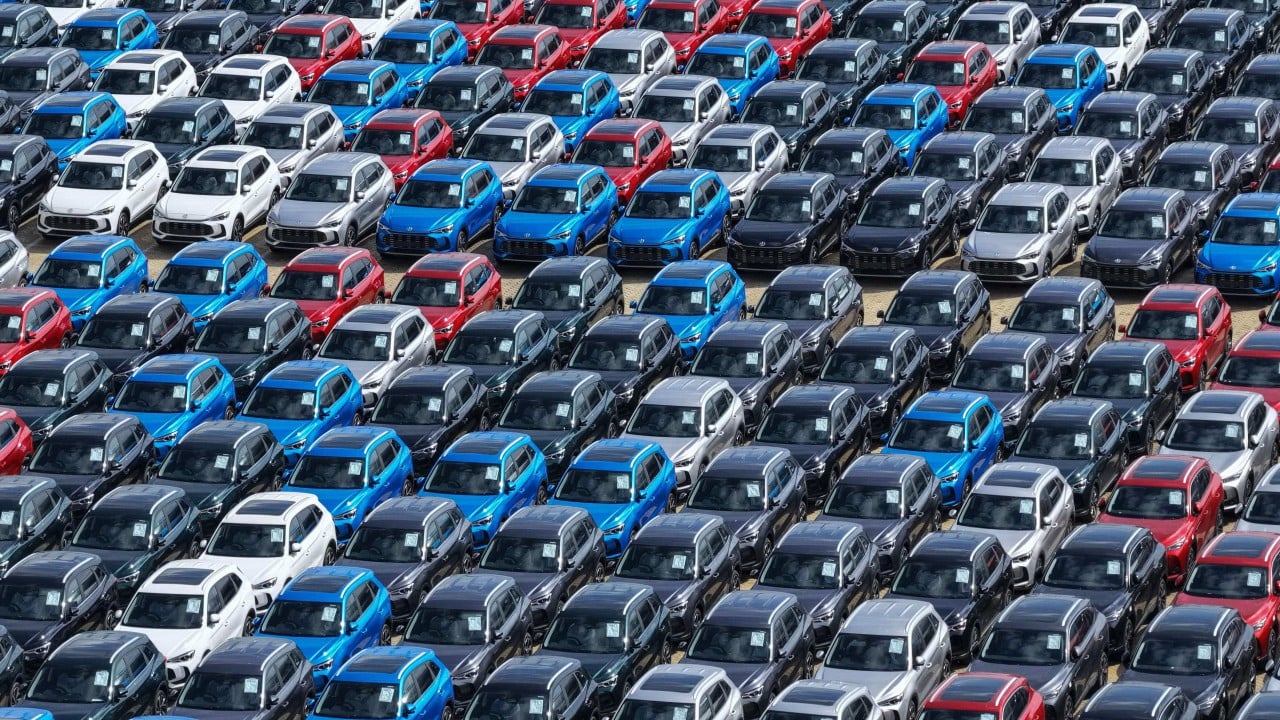
Now, Chinese PHEVs and EVs are landing on European shores with superior technology, faster charging curves, and lower price tags, even after tariffs.
So what does Brussels do? They weaponize anti-subsidy investigations. They slap provisional duties on hybrids and electric vehicles. They drag out negotiations to buy time for domestic legacy giants to restructure, retool, and figure out how to build software that doesn't crash.
The fatal flaw in the European strategy is that you cannot tariff your way to technological competitiveness. Slapping tariffs on Chinese PHEVs does not make European automakers innovate faster. It merely insulates them from reality, driving up prices for European consumers and accelerating the technological gap between European legacy plants and Asian manufacturing hubs.
When industry analysts write about the delicate dance of ongoing talks over PHEVs, they are describing a hostage negotiation where the hostage is already dead. European automakers are trapped between a domestic market that cannot afford expensive transition vehicles and a global market that has already moved past them.
The Myth of the Negotiated Settlement
Why do these talks keep dragging on if the divide is this deep?
Because modern trade diplomacy has become a theater of plausible deniability. Bureaucrats on both sides need to look busy. European commissioners need to show domestic voters that they are standing up to foreign dominance. Chinese trade officials need to demonstrate that they are pushing back against protectionist bullying.
Neither side can afford to walk away entirely because the trade volumes are still massive, but neither side can afford to concede anything that matters.
For the European Union, conceding on automotive protection means admitting that the green transition plan is failing under its own weight. If cheap Chinese EVs and PHEVs are locked out, Europe misses its decarbonization targets. If they are let in, the industrial base collapses. It is a mathematical trap of their own making.
For China, conceding on high-end medical device procurement or relaxing industrial policy means slowing down indigenous innovation at a time when technological self-sufficiency is a matter of national survival. Beijing remembers the semiconductor curbs imposed by Washington and understands that healthcare, automotive, and digital infrastructure are the next battlegrounds of geopolitical friction. They will not trade away their industrial autonomy for a handful of European MRI sales.
Anyone telling you that a grand bargain is being worked out behind closed doors is selling access or running interference for institutional investors who cannot bear to reprice their portfolios.
What Executives Are Missing
If you are leading a business caught in the crossfire of this industrial cold war, your playbook needs a radical rewrite.
First, stop treating regulatory hurdles as temporary annoyances. The era of frictionless global supply chains is over. When markets split, they split permanently. If you are a European manufacturer relying on components or sales in either jurisdiction, you must build completely localized, sovereign supply chains. Not "near-shored" variants of the old model, but entirely independent operational units that can survive total trade severance.
Second, drop the moral outrage. Complaining that the other side is playing dirty is the strategy of a loser. China deployed state capitalism with laser focus to win the EV and clean-tech race; Europe subsidized its agricultural and industrial sectors for decades before preaching free-market gospel to the developing world. The rules of engagement have shifted back to raw state power. Adapt or get crushed.
Third, look past the headlines. While the media focuses on the theater of high-level ministerial talks over medical devices and vehicle tariffs, the real action is happening underground. Localized joint ventures, technology transfers under duress, and talent poaching are reshaping industries faster than any WTO panel can issue a ruling.
The deadlock is not a bug in the system. It is the system.
The sooner corporate leaders accept that the global economy has fractured into regional fortresses, the sooner they can stop waiting for a diplomatic rescue that is never coming.
Stop reading the tea leaves of trade negotiations. Start preparing for the split.