Geopolitics rarely moves this fast. When Washington starts eyeing the Arctic map, small nations notice immediately.
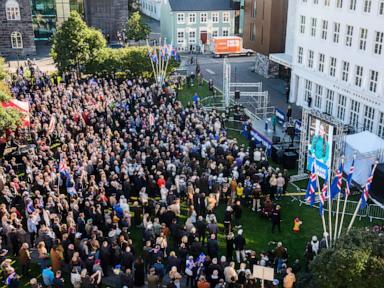
Icelanders went to the polls to answer a single question: should the island nation restart accession negotiations with the European Union? Over 260,000 eligible voters weighed in, but this wasn't just a routine administrative check-in. It was a panic-driven response to shifting global threats. For years, the EU question was dead in Reykjavik. Now, outside pressures have dragged it back to the absolute center of Icelandic politics.
The Arctic Shockwave
Let's be clear about what triggered this sudden shift. Donald Trump’s aggressive territorial posturing over neighboring Greenland completely rattled the North Atlantic. When Washington speaks openly about seizing or controlling a self-governing Danish territory just 180 miles away, neighboring countries stop feeling safe.
The unease deepened when public remarks included bizarre geographical mix-ups where Iceland was named instead of Greenland. Add in a tone-deaf joke from a newly arrived U.S. ambassador about Iceland becoming the 52nd state, and local patience ran out.
Iceland's left-leaning coalition government, led by Prime Minister Kristrún Frostadóttir, reacted swiftly. They pulled the EU referendum forward from next year because the old assumptions of absolute American security no longer hold up. As novelist and voter Hildur Knutsdottir bluntly put it, people simply don't trust Washington anymore.
Sovereignty Versus Security
The debate split the country down the middle, pinning modern defense fears against fierce historical independence.
Proponents of restarting talks argue that standing alone in a volatile world is a luxury Iceland can no longer afford. They view Brussels not as a bureaucratic monster, but as an extra layer of insulation against unpredictable superpowers.
On the other side, opponents dug in hard, raising familiar alarms about national identity. Iceland already enjoys access to the European single market and the Schengen free-travel zone without being an official EU member. Why trade that sweet spot for messy compromises?
The biggest hurdle remains the ocean. Fishing is the lifeblood of the Icelandic economy. Cod and haddock catches from Arctic waters define national survival. Joining the bloc means signing up for the EU’s common fisheries policy, which would grant Spanish, Dutch, and other foreign trawlers direct access to local waters. While the government hinted it would fight for a special opt-out, skeptics weren't buying empty promises. Farmers and agricultural workers voiced similar fears about losing ground to continental competition.
What Happens Next
The ballot itself was deliberately narrow. Voters weren't voting to join the EU today. They were voting on whether to open up the European Commission's 35 negotiating chapters, a process that experts estimate would take years. Even if the "yes" camp wins out, any final treaty would ultimately require a second, separate referendum.
If the measure fails, the topic will likely stay buried for a generation. But if it passes, Iceland signals a profound psychological break from its absolute reliance on North American security umbrellas.
Check official updates from Iceland’s RÚV or follow continuing coverage via The Associated Press to track the final vote counts as they emerge from Reykjavik.