At least 37 people are dead. The shockwaves are still rippling through Ukraine. A massive Russian strike hit the Bucha district west of Kyiv, turning a quiet residential area into a disaster zone and marking one of the single deadliest attacks of the entire year. But the raw numbers only tell half the story.
Behind the smoke and ruined buildings lies a harsh truth. This tragedy wasn't just caused by incoming enemy fire. It was amplified by catastrophic internal negligence.
The Blast in Myla and the Cost of Ignored Rules
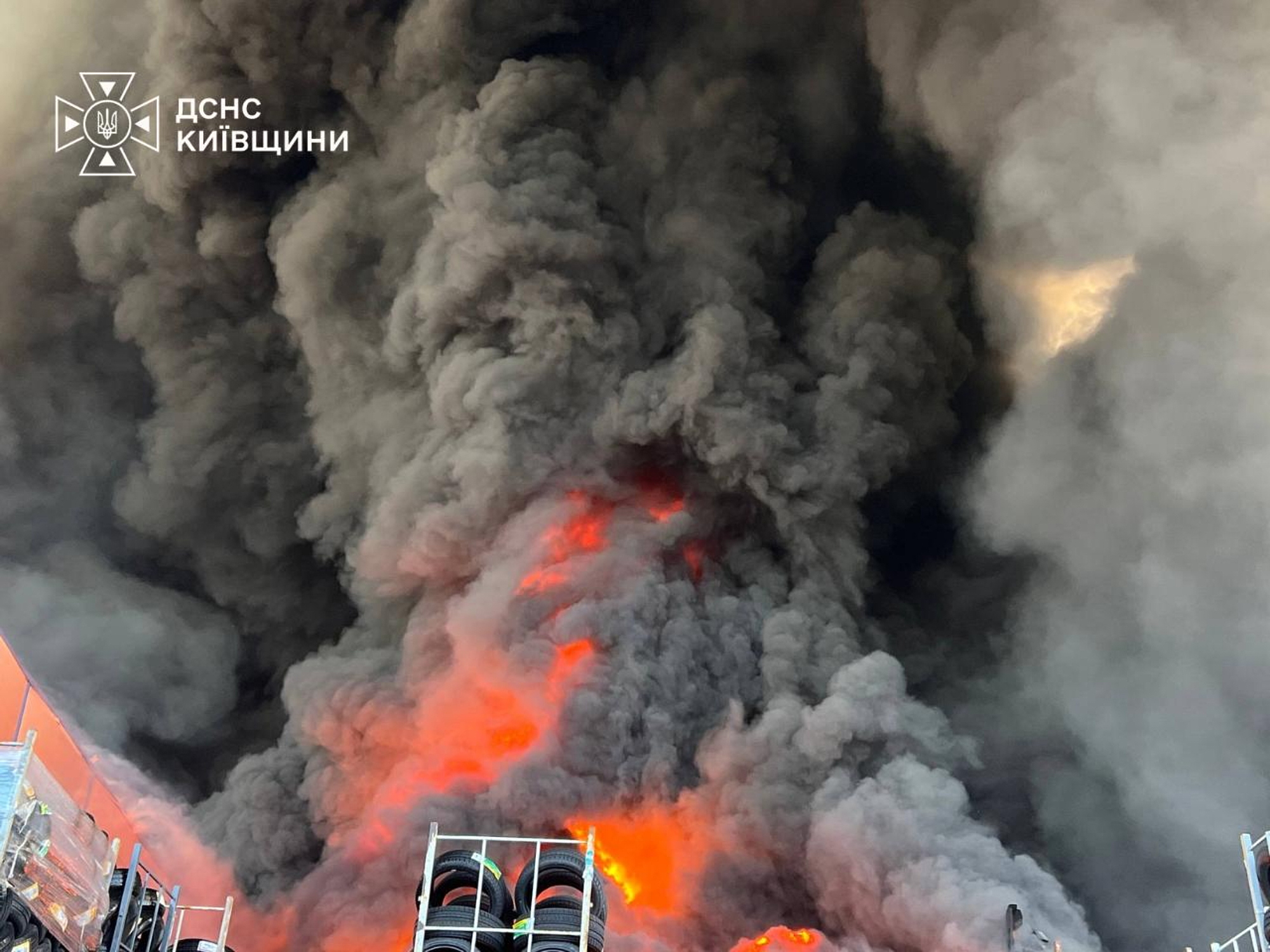
The strike targeted a defense forces depot and warehouse facility in the village of Myla. When the initial projectile hit, it triggered massive secondary detonations. Shells, mines, and drone components stored right next to civilian areas blew up with terrifying force.
At least 50 residential buildings suffered heavy damage. Worst of all, local reports indicate that a significant portion of the victims—including 34 people—were residents at a local care home for elderly individuals and people with disabilities. Over 370 survivors had to be evacuated in a frantic, ongoing emergency response.
President Volodymyr Zelenskyy didn't mince words. He openly condemned the situation, pointing out that Ukrainian law strictly forbids storing ammunition or explosive materials close to civilian homes. Criminal proceedings for official negligence are already underway.
A Repeat of Past Mistakes
You can't write this off as a freak accident. Prime Minister Serhii Koretskyi pointed out the glaring parallel to a similar disaster in early July, when an ammunition depot blast in the Kyiv suburb of Vyshneve killed 22 people.
When leaders fail to learn from immediate history, civilians pay with their lives. Storing military gear near populated areas in the fifth year of a full-scale invasion isn't just an oversight. It's criminal recklessness. Two officials from state-owned enterprises, including major defense manufacturer Ukroboronprom, have already been flagged for illegally permitting weapons storage at these vulnerable sites.
The Escalating Drone War and Winter Realities
This devastating strike didn't happen in a vacuum. Kyiv endured three straight days of near-constant air raids. Moscow has aggressively scaled up its use of jet-powered drones, testing the limits of Ukrainian air defenses. Ukrainian officials admit that defensive technology is struggling to keep pace with the sheer volume and speed of these newer aerial threats.
Meanwhile, the southern Kherson region faces its own brutal onslaught. Russian strikes there recently killed two more people and injured 27. Local authorities are urging tens of thousands of residents to evacuate ahead of winter, warning of prolonged heating and power outages as critical infrastructure remains under constant fire.
Accountability must go beyond angry statements. If safety protocols are ignored, tragedies will repeat. Enforce strict distance buffers around military logistics, punish internal negligence without exception, and secure civilian populations before the next wave hits.