Donald Trump just leveled with the American public in a way most politicians won't. After the Pentagon confirmed the first U.S. combat deaths in Operation Epic Fury, he didn't sugarcoat the situation. He told the country that more service members will likely be killed before this ends. It’s a jarring admission from a leader who campaigned on staying out of foreign entanglements, yet here we are, watching a high-stakes military campaign against Tehran unfold in real-time.
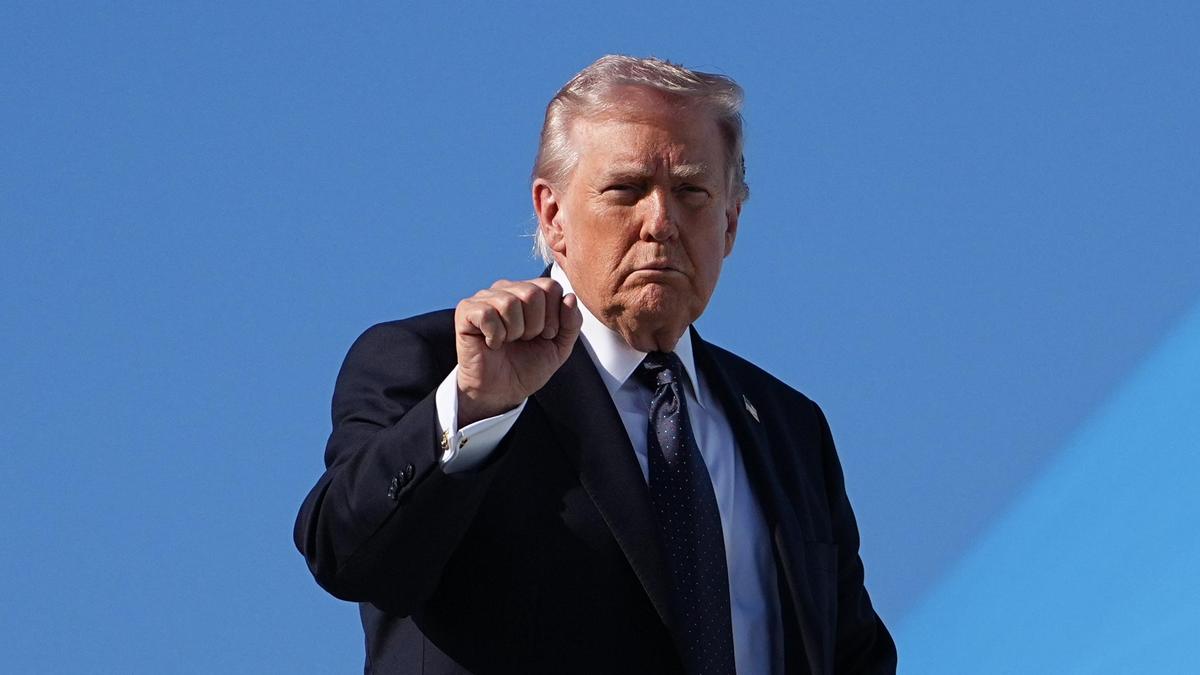
On Sunday, March 1, 2026, U.S. Central Command (CENTCOM) announced that three U.S. service members were killed and five others were seriously wounded. These weren't casualties from a distant drone strike or a training accident. These were soldiers on the ground in Kuwait, part of a logistics unit, caught in the crossfire of a rapidly expanding regional war. Trump, speaking from a podium at Mar-a-Lago, called them "true American patriots" but followed it with a heavy dose of reality: "Sadly, there will likely be more before it ends. That's the way it is."
The reality of Operation Epic Fury
The U.S. and Israel launched this offensive with a clear goal: regime change. They didn't start small. Within the first 48 hours, strikes reportedly killed Supreme Leader Ayatollah Ali Khamenei and dozens of other Iranian leaders. While the administration calls this a "righteous mission" to prevent a nuclear-armed Iran, the cost is already mounting.
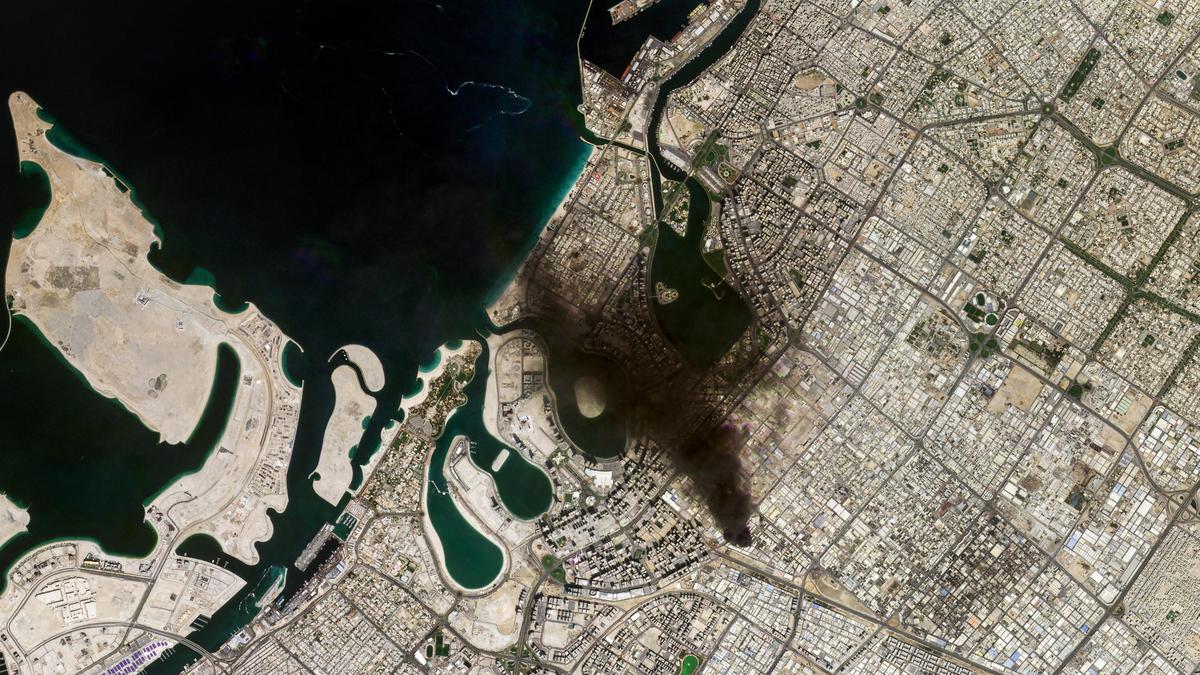
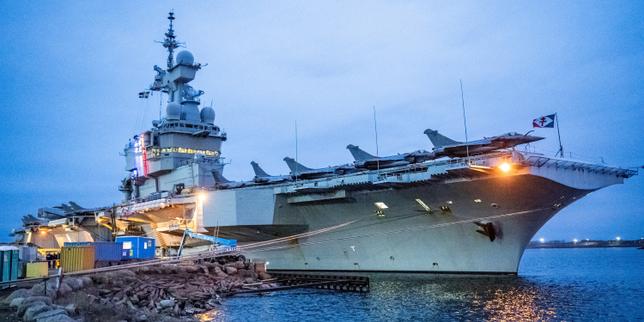
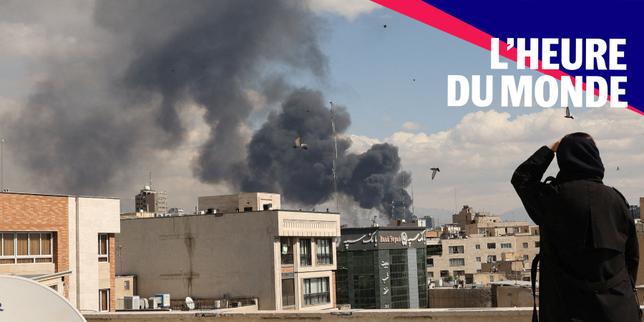
CENTCOM reports that over 1,000 targets have been hit so far. This includes everything from ballistic missile facilities to naval headquarters. Trump claimed on Truth Social that nine Iranian naval ships were sunk "in a matter of literally minutes." But Iran isn't just taking these hits. They've retaliated with missile strikes targeting U.S. assets in Bahrain and the United Arab Emirates, and they’ve even claimed to target the USS Abraham Lincoln. While the U.S. military says those missiles "didn't even come close," the threat to the thousands of troops stationed in the region is at an all-time high.
Why the casualties are happening now
You might wonder why we're seeing deaths in Kuwait if the bombing is happening in Iran. Modern warfare doesn't stay inside borders. Iran’s strategy relies on "asymmetric" responses. They use proxies and long-range missiles to hit "soft" targets or logistics hubs where U.S. troops are less protected than they would be on a front line.
- Logistics hubs: Troops in places like Kuwait and Qatar are essential for moving fuel and ammo, making them prime targets for Iranian retaliation.
- Air defenses: While U.S. and Israeli stealth bombers like the B-2 are hitting Iran’s interior, Iran is firing back at the bases those planes and support crews call home.
- Regional instability: With Khamenei gone, there’s a massive leadership vacuum. This makes the situation unpredictable. Local commanders might act on their own, launching strikes that weren't even authorized by what's left of the central government.
Trump's shift from peace candidate to war president
It’s the elephant in the room. Trump spent years bashing the "forever wars" in Iraq and Afghanistan. He even claimed he deserved a Nobel Peace Prize for ending conflicts. Now, he’s leading what some experts call the largest U.S. military presence in the Middle East since the 2003 Iraq invasion.
The rationale has shifted. He’s no longer talking about "bringing the boys home" in this context. Instead, he argues that an Iranian regime with nuclear weapons is a "dire threat to every American" and a "threat to future generations." He told the Daily Mail he expects this conflict to last "four weeks or so," but history shows that Middle East timelines are notoriously unreliable.
Critics aren't holding back. Rep. Adam Smith called Trump’s comments about "likely" more deaths "unbelievably offensive," arguing there's no clear plan for what happens after the bombs stop falling. Even among the American public, support is thin. Recent polling suggests only about 27% of Americans approve of these strikes.
The economic fallout you’ll feel at home
This isn't just a military story. It’s an economic one. The moment the strikes began, oil prices went vertical. Brent crude jumped 13% to hit $82 a barrel. If the Strait of Hormuz—a narrow waterway where 20% of the world’s oil passes—gets effectively closed or becomes a permanent combat zone, you’ll see those prices at the pump within days.
Major airlines have already halted operations in the region. Airspace over several Middle Eastern countries is closed. This isn't just a localized "operation"; it’s a global disruption that’s just getting started.
What happens next in the conflict
Trump is already signaling the next phase. While he’s vowing "certain death" for any Iranian military members who don't surrender, he’s also mentioned he’s open to talking to a "new leadership" in Iran. He told The Atlantic, "They want to talk, and I have agreed to talk."
It’s a classic "maximum pressure" tactic taken to the absolute extreme: destroy the existing leadership, then offer the survivors a deal. But with three Americans dead and five more in serious condition, the "talks" will be happening under the heaviest possible shadow.
Keep a close eye on CENTCOM’s updates over the next 24 hours. They’ll be releasing the names of the fallen service members once families are notified. As the military continues "Operation Epic Fury," the focus remains on whether the Iranian military chooses to lay down their arms or doubles down on the retaliation that Trump warned us about.
If you're looking for ways to stay informed or support the families affected, check the official Department of Defense newsroom or reputable veteran support organizations like the USO. The situation is fluid, and as the President himself said, the coming weeks will be the most critical.